Innovating to meet our century’s challenges
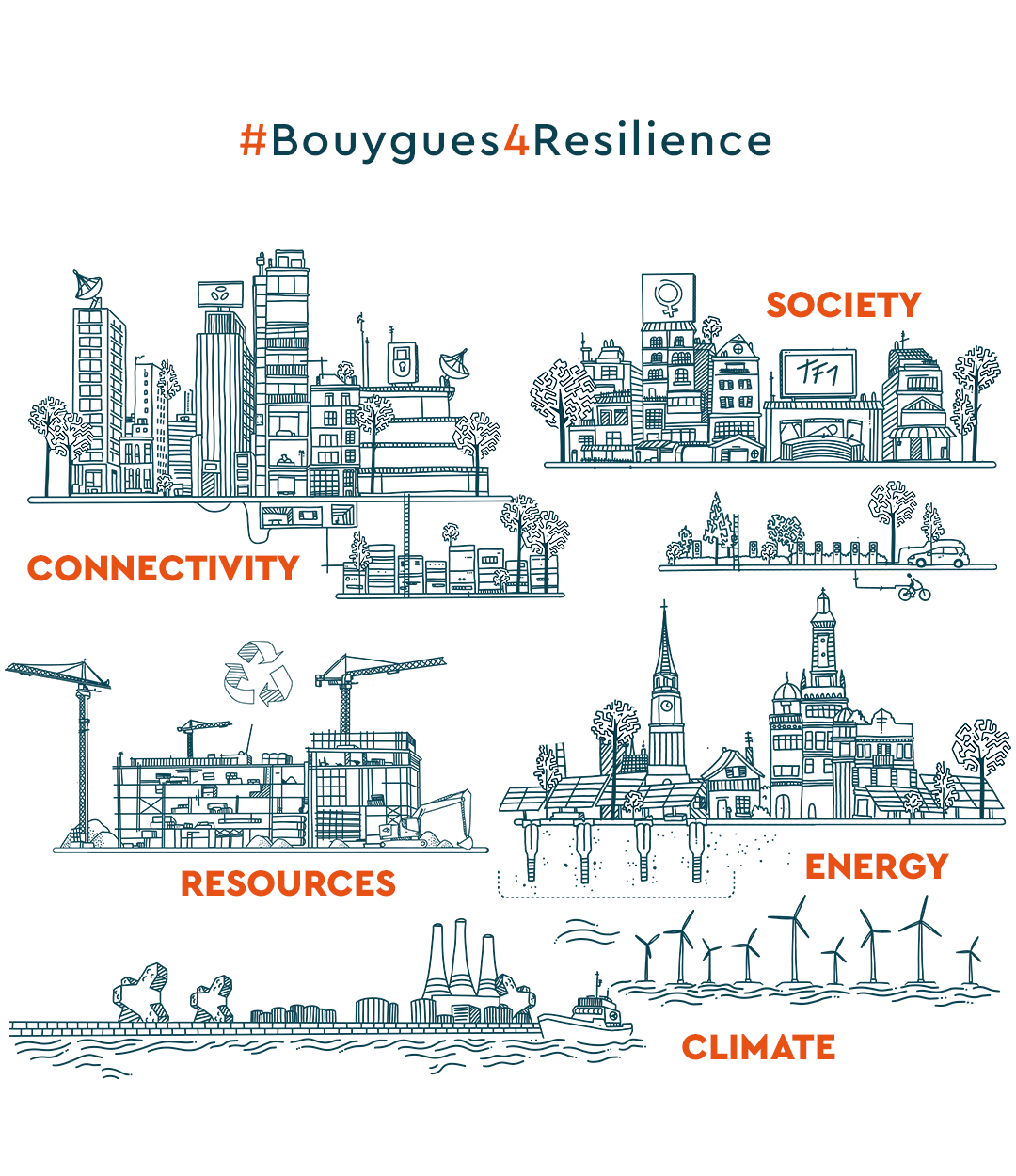
The world is facing major challenges such as climate change, the energy transition, scarce resources, societal change and digital transformation.
In the face of these changes, we have a clear responsibility to provide services and solutions so that local communities and businesses can adapt and become resilient, whilst of course ensuring that our environmental impact is kept low.
At every level of the Group, in its construction, energy, telecommunications and media businesses, innovation is demonstrable. It is both strategic and operational, with a focus on practical applications.
It draws both on the Group’s senior management, which sets out and coordinates the broad strategic direction, and on our people in the subsidiaries, who are closest to the projects and grassroots requirements.
To achieve this, the Bouygues group’s innovation strategy is based on three complementary pillars.
The three pillars of innovation at Bouygues
1. Explore & Explain
Decode major trends and weak signals
Develop forward-looking scenarios to better anticipate risks and opportunities
2. Engage & Catalyse
Foster innovation leadership and the emergence of high-performing ecosystems serving targeted cross-functional challenges
3. Transform to Perform
Support operational departments in their transformation to drive performance
2 priorities
Strengthen the resilience of our businesses and our clients in the face of climate challenges
Accelerate the large-scale deployment of artificial intelligence across the Group
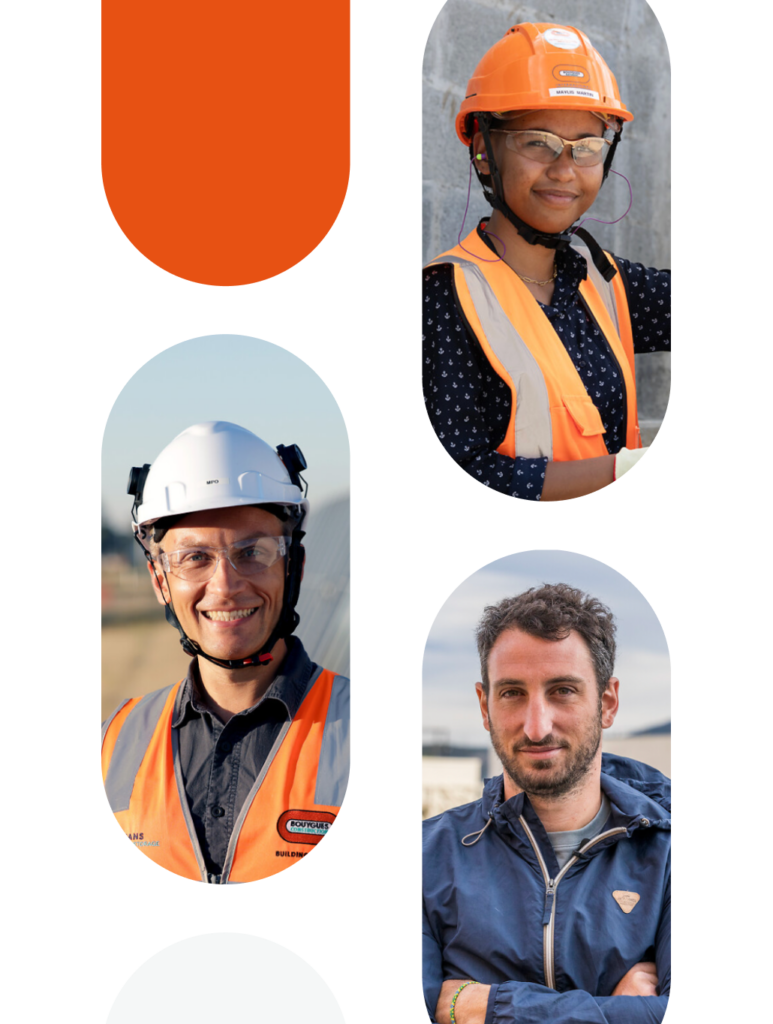
True to our founder Francis Bouygues’ pioneering spirit, we firmly believe that innovation is a key driver in meeting these challenges.
We innovate with ambition to devise new solutions, speed up change and bring about lasting transformation in our business segments, thereby reducing the environmental impact of our activities and supporting societal change.
This is how we make progress become reality.
Learn more about a selection of our landmark projects that showcase the diversity of the Bouygues group’s achievements and our capacity for innovation in tackling today’s major challenges.
Climate Change
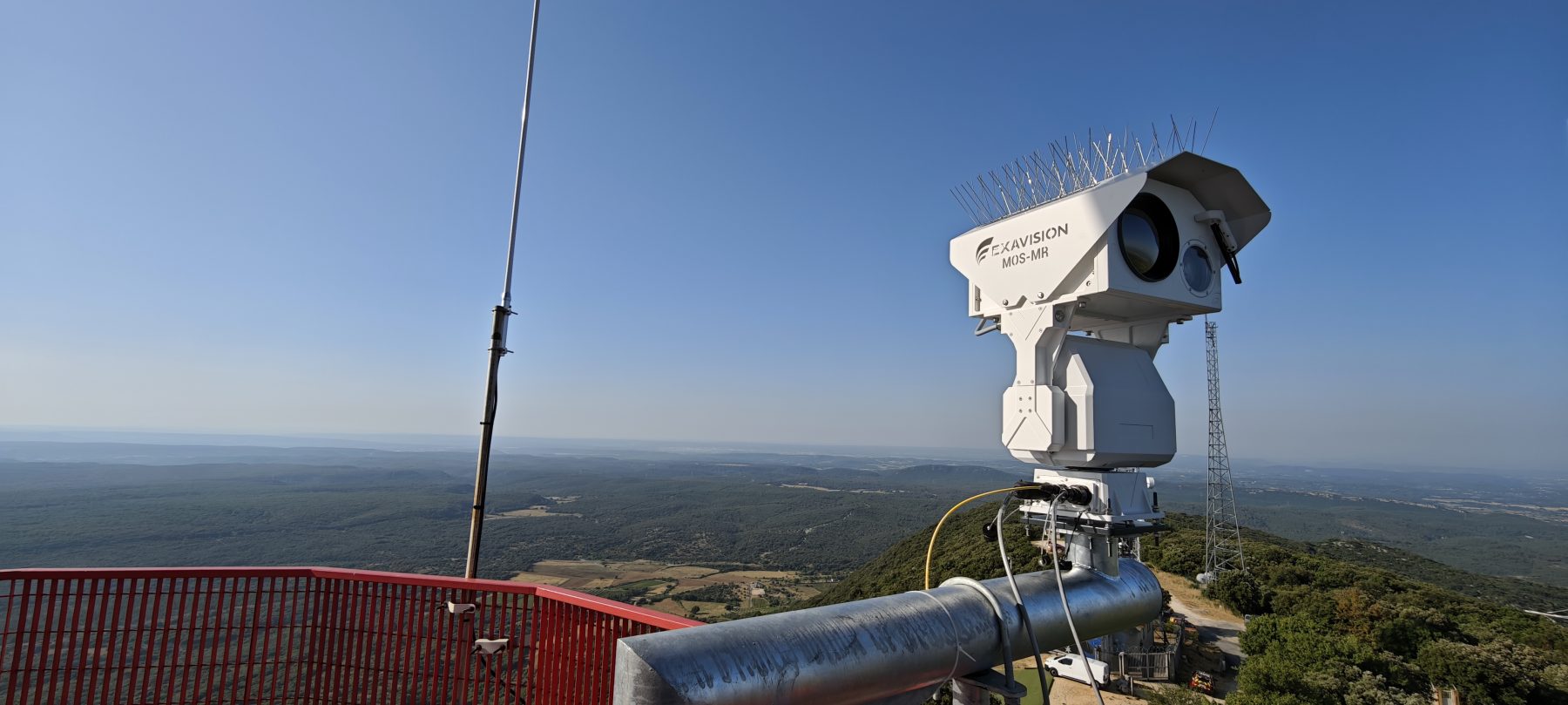
Regions are increasingly vulnerable to climate change. Heatwaves, wildfires and rising sea levels: our towns and cities and our infrastructure must adapt.
From preventing such events to rebuilding the affected areas, we support all stakeholders through innovative solutions.
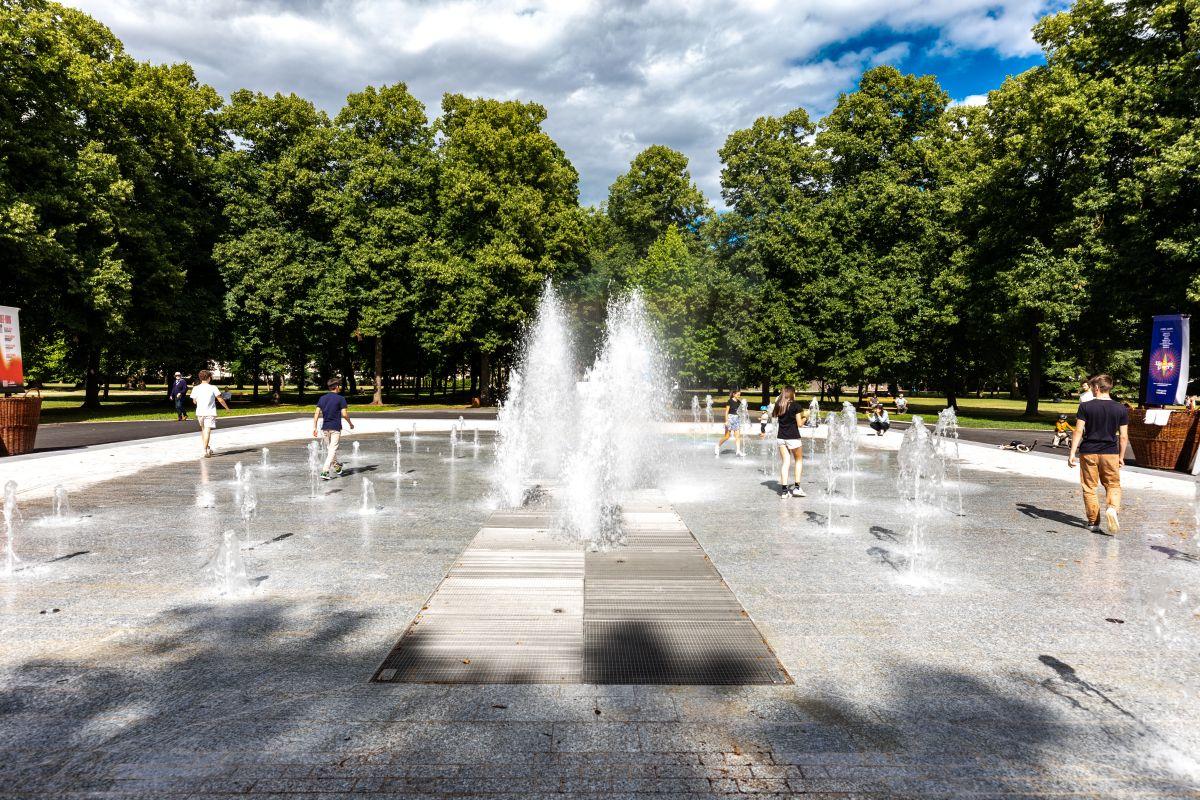
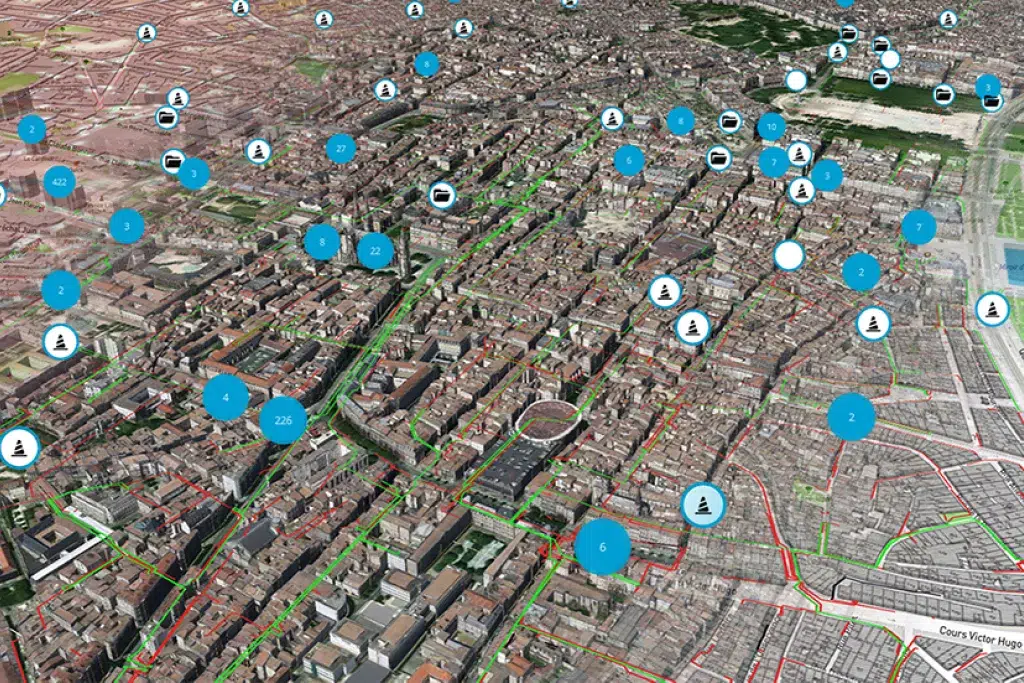
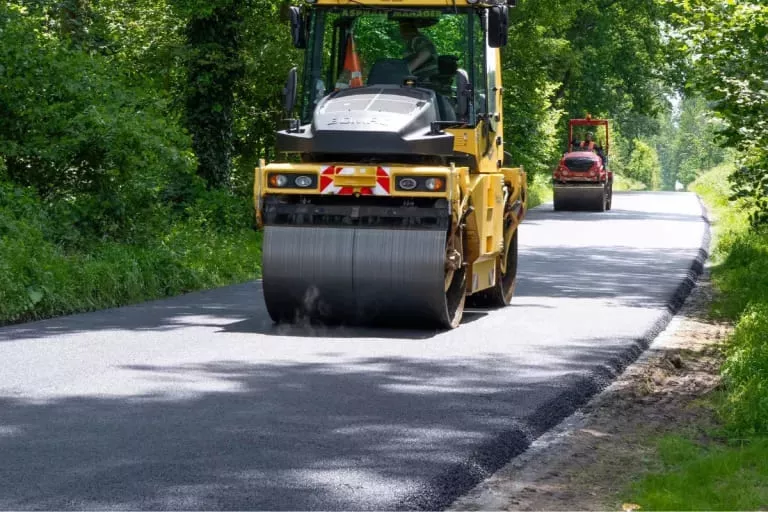
StreetADAPT is an innovative approach developed by Colas to support local authorities in addressing the impacts of climate change, already deployed in France and internationally. Designed as a tailored and scalable approach, it aims to make cities more resilient by combining engineering, nature-based solutions, and material innovations. It addresses key urban challenges: overheating, increasingly intense rainfall events, and soil sealing, which exacerbate flooding and biodiversity loss.
To tackle urban overheating, StreetADAPT offers solutions for creating cool islands: light-colored pavements that limit heat accumulation, greening initiatives that support de-sealing and urban cooling, shading devices, and more. These solutions help reduce perceived temperatures while improving urban comfort.
Within the StreetADAPT framework, Colas also implements integrated stormwater management through permeable pavements and other water storage systems. The principle? To promote infiltration at the source, slow down water flows, enable temporary storage, and enhance water reuse. All of this helps reduce flood risks and strengthen neighborhood resilience.
By adopting a systemic approach (soil de-sealing, material selection, greening, water management, etc.), supported by a product offering and expertise in microclimate engineering and ecological engineering, StreetADAPT helps territories adapt while sustainably improving quality of life.
Limited resources
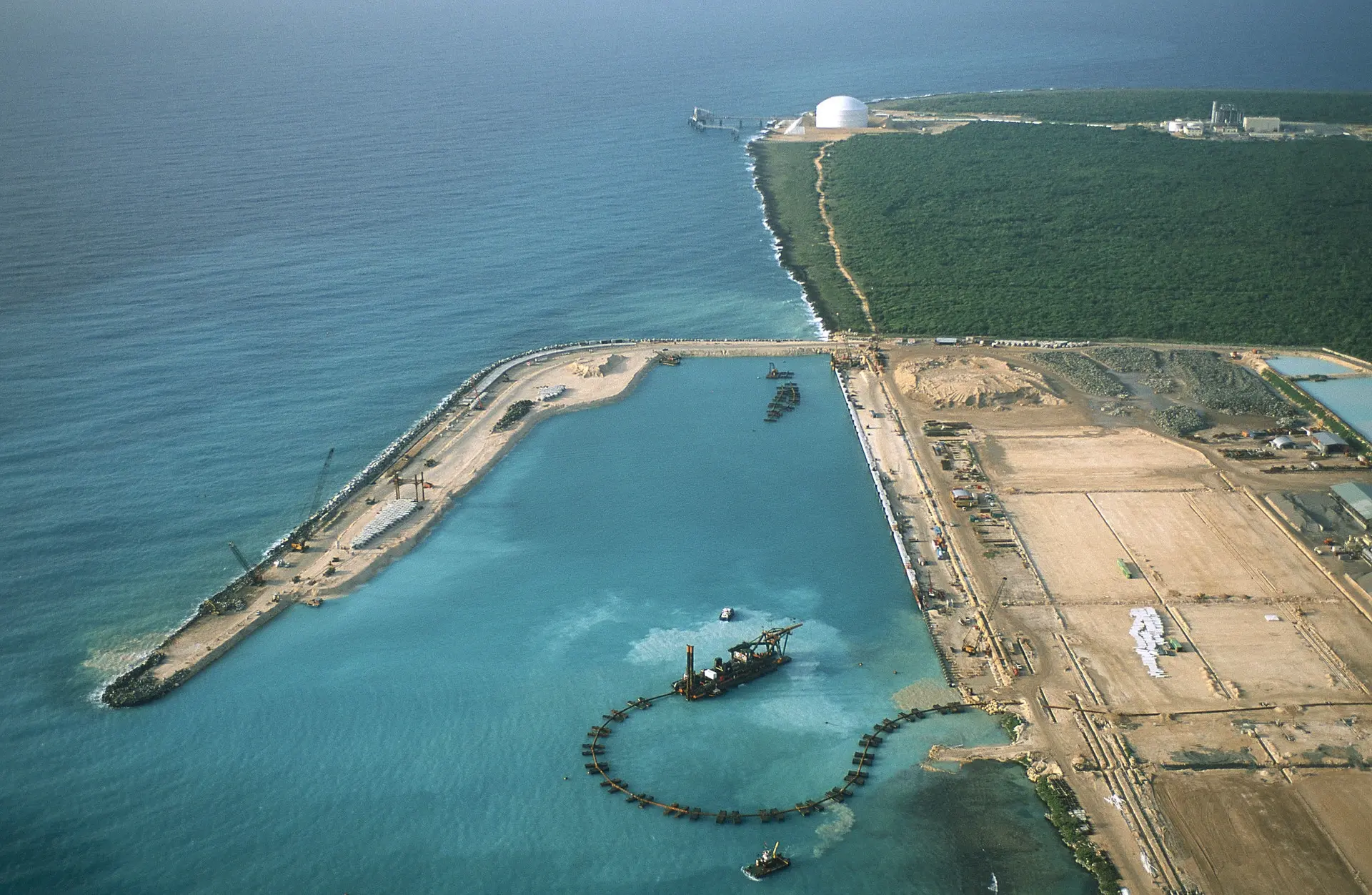
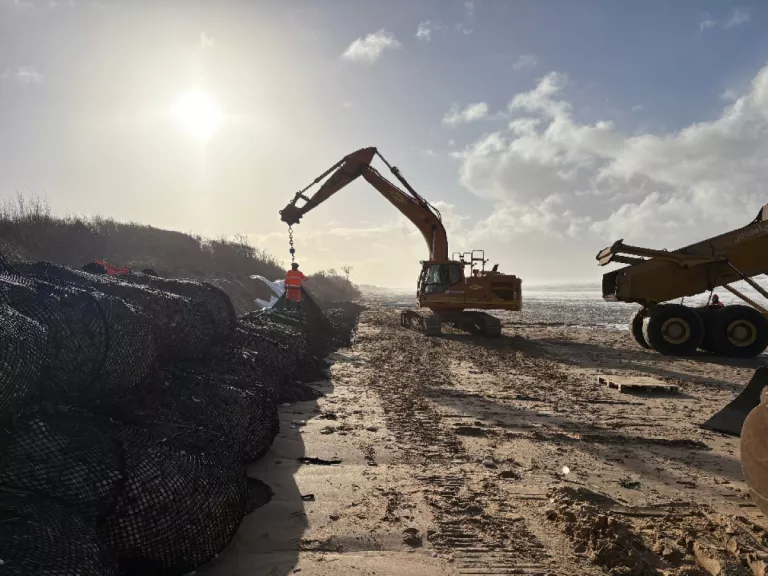
The depletion of natural resources—whether water, soil, or biodiversity—represents a major challenge for territories. Soil sealing, overexploitation, and climate change are undermining these essential balances that sustain life and human activities.
Preserving and restoring these resources is therefore essential, by integrating solutions that limit impacts, support ecosystems, and ensure more sustainable and resilient development.
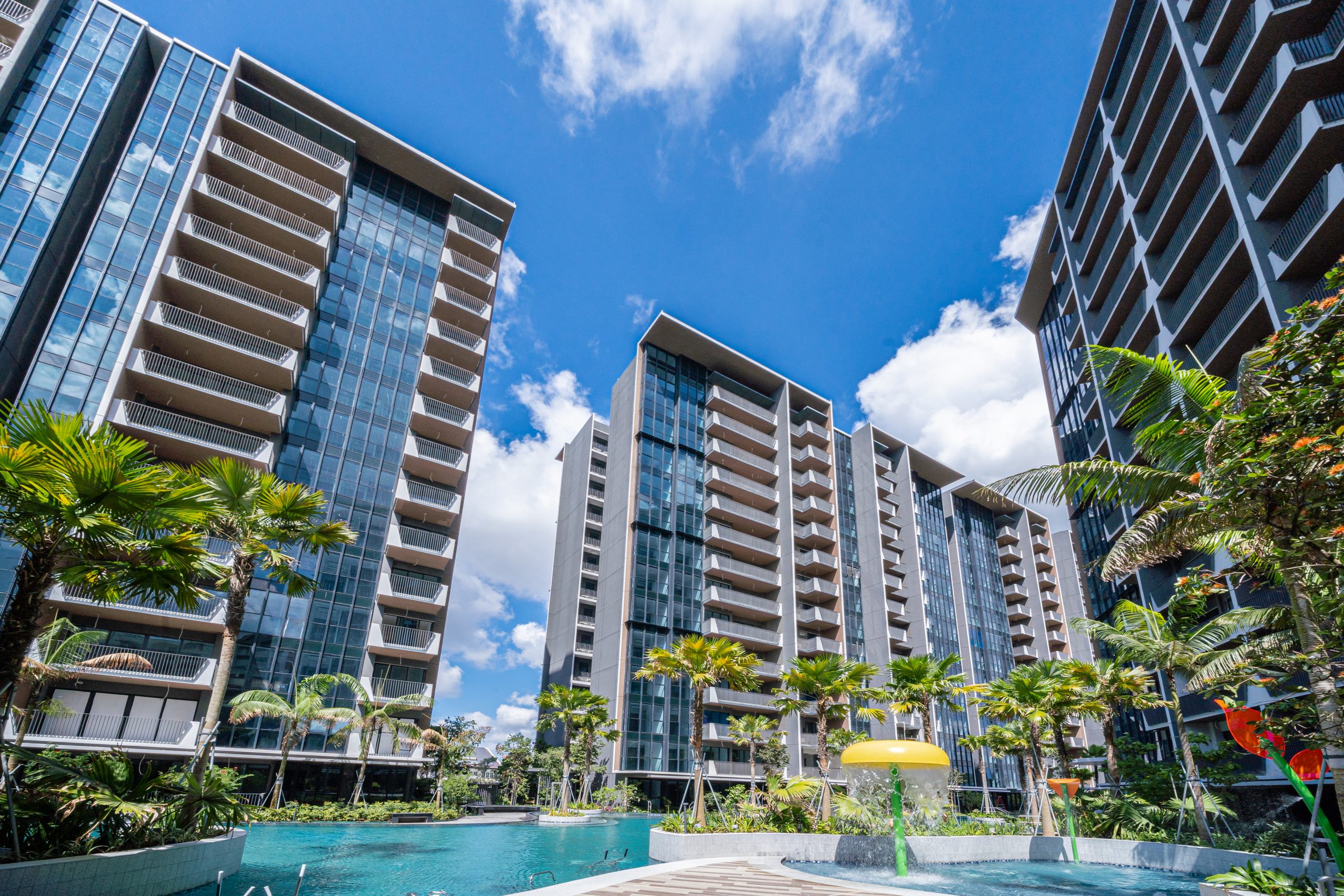
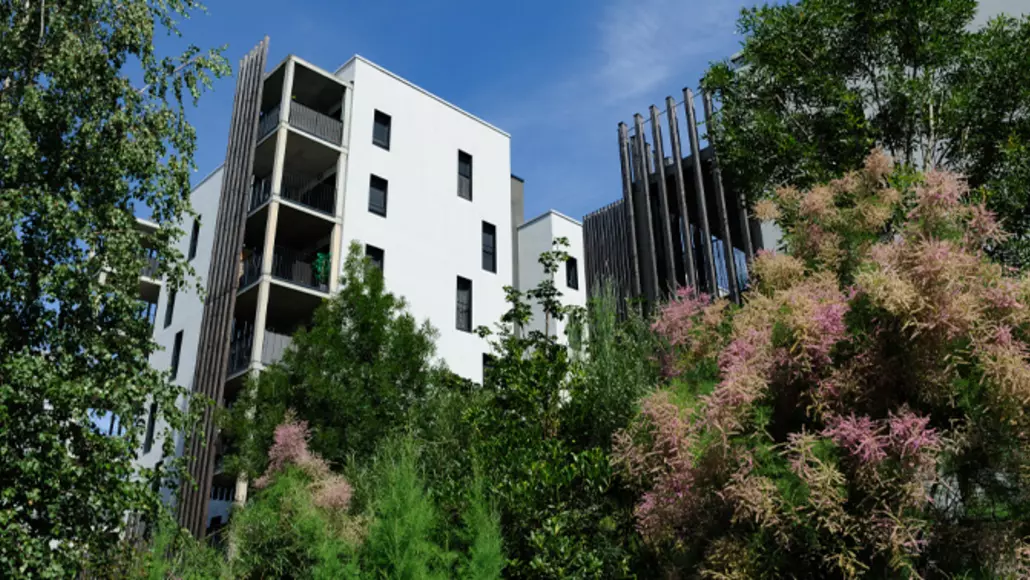
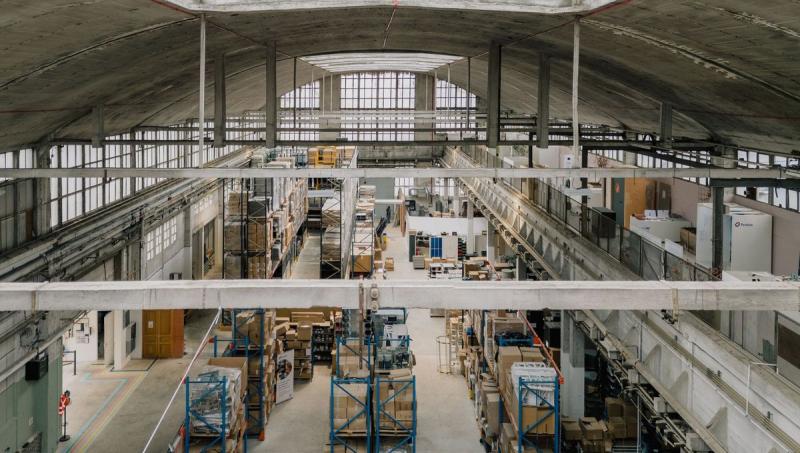
Faced with the depletion of resources (materials, water, land) and increasing pressure on the workforce, the construction sector must fundamentally reinvent itself. The use of industrialized and modular construction, notably driven by Bouygues Construction, is emerging as a key response to these constraints.
Building on off-site methods (factory prefabrication, on-site assembly), flagship projects such as Serangoon North in Singapore demonstrate that it is possible to build more efficiently, using fewer resources and with better operational control.
This approach enables a significant reduction in environmental impacts while improving overall site performance:
- -30 to -50% waste
- -20 to -40% water consumption
- Significantly improved control over timelines and costs
Energy transition
The energy transition is becoming an unavoidable imperative for our societies.
This transition is taking shape around two major challenges: how we produce and store energy, and how we design buildings so they consume less and generate more.
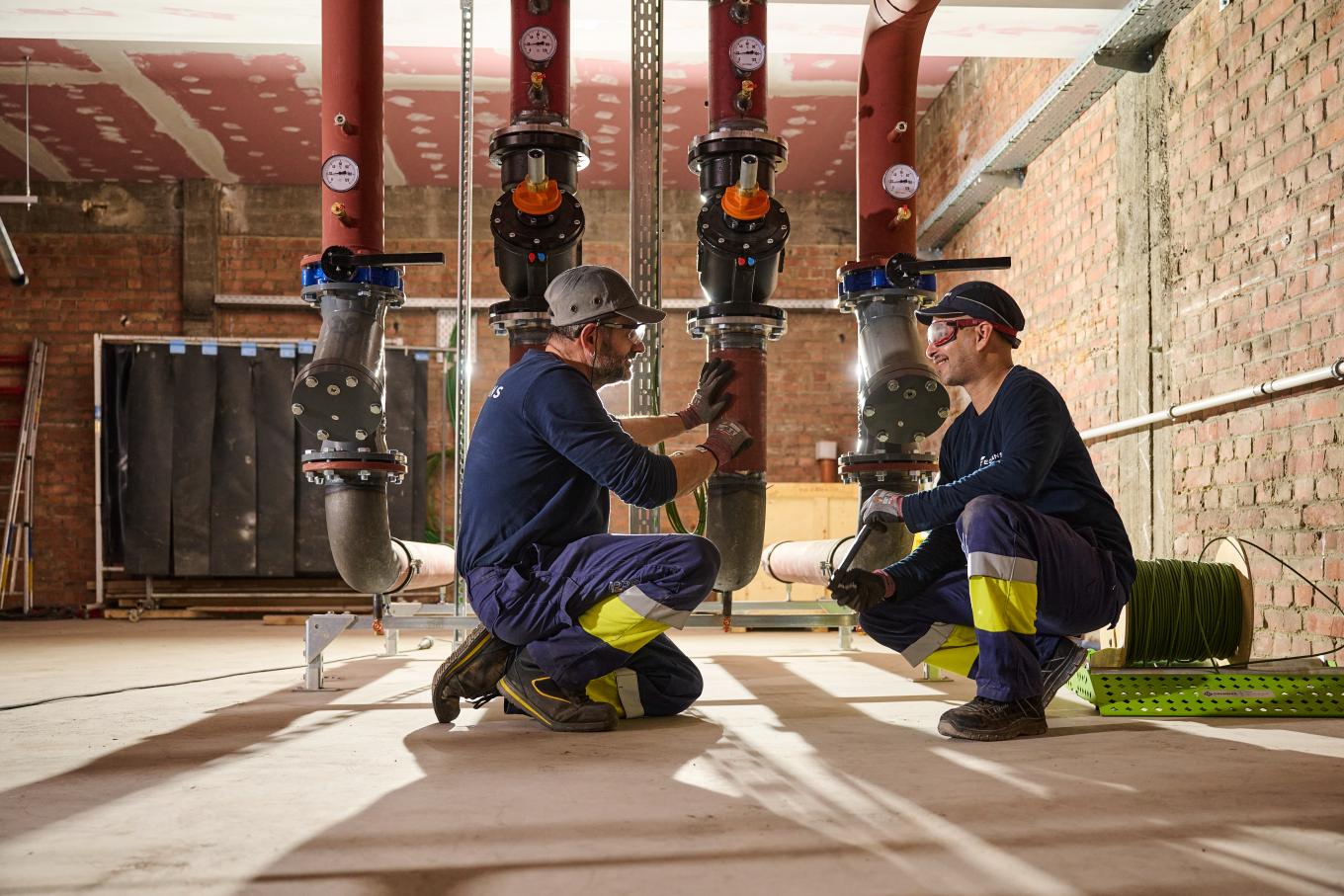
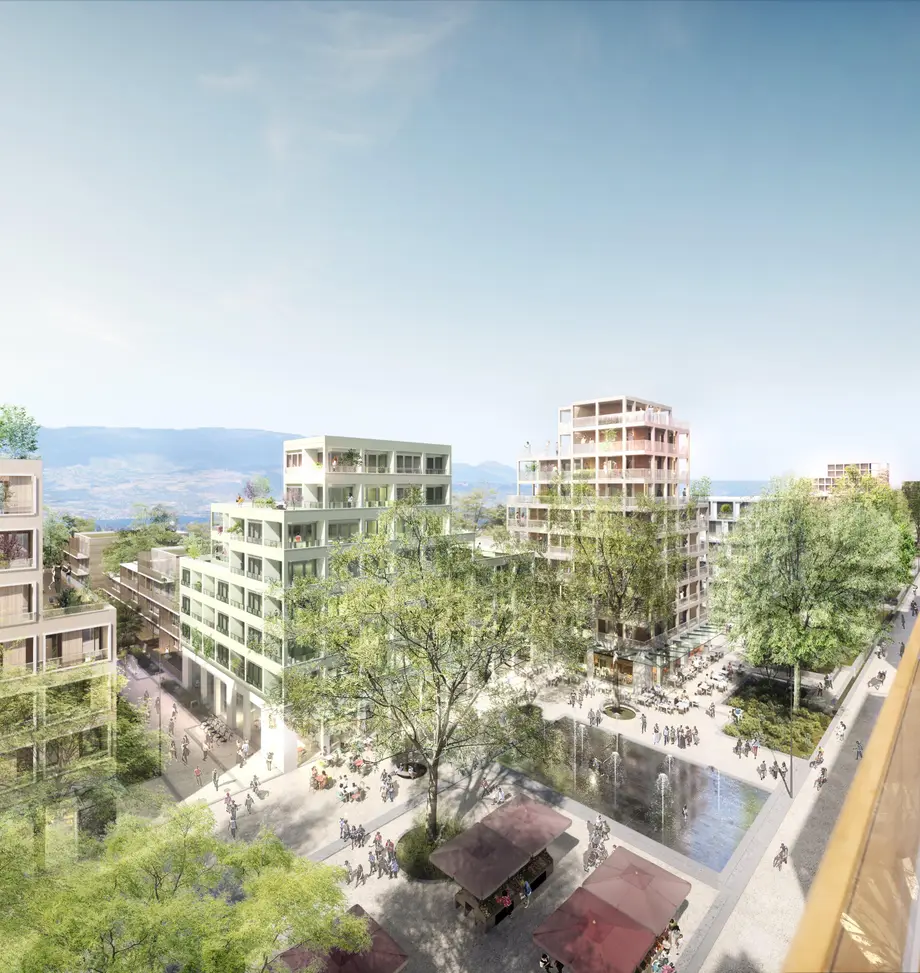
Equans designs, installs, and operates the district heating network for the Rives Ardentes eco‑district, the largest ever built in Belgium. Located near the center of Liège, this 25-hectare sustainable neighborhood includes more than 1,350 homes and buildings (schools, nurseries, shops), all supplied with domestic hot water and heating from a local, low-carbon, and centralized energy source. This project fully aligns with Equans’ strategy to accelerate the region’s energy transition.
The key innovation lies in the use of heat generated by waste incineration in the city of Liège. Through the Uvelia‑Intradel energy recovery facility, Equans captures the steam produced by combustion, transports it via a primary network, and then redistributes it to the district through a secondary piping network. This system enables residents to benefit from a stable energy supply that is less dependent on fluctuations in fossil fuel markets.
Societal changes
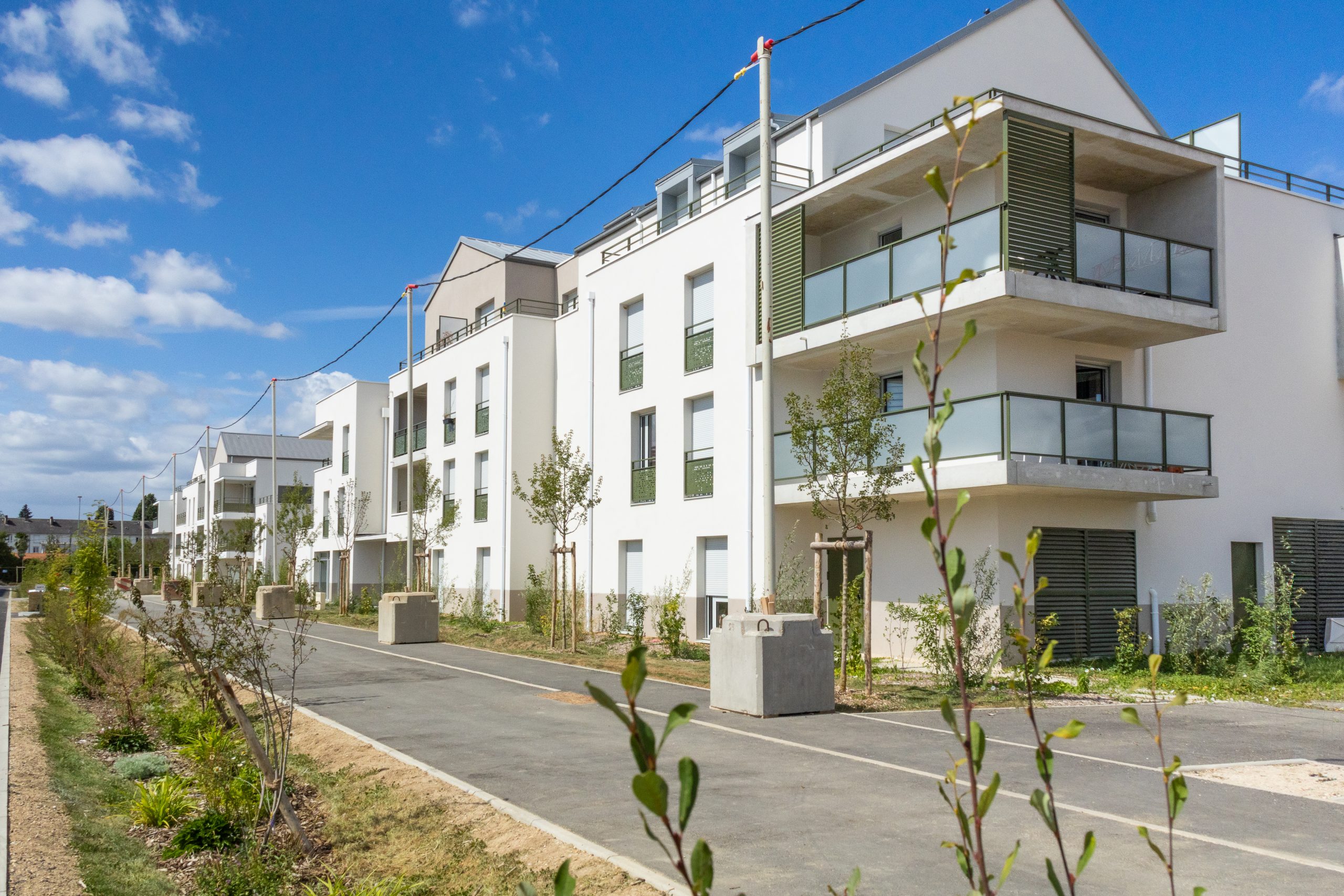
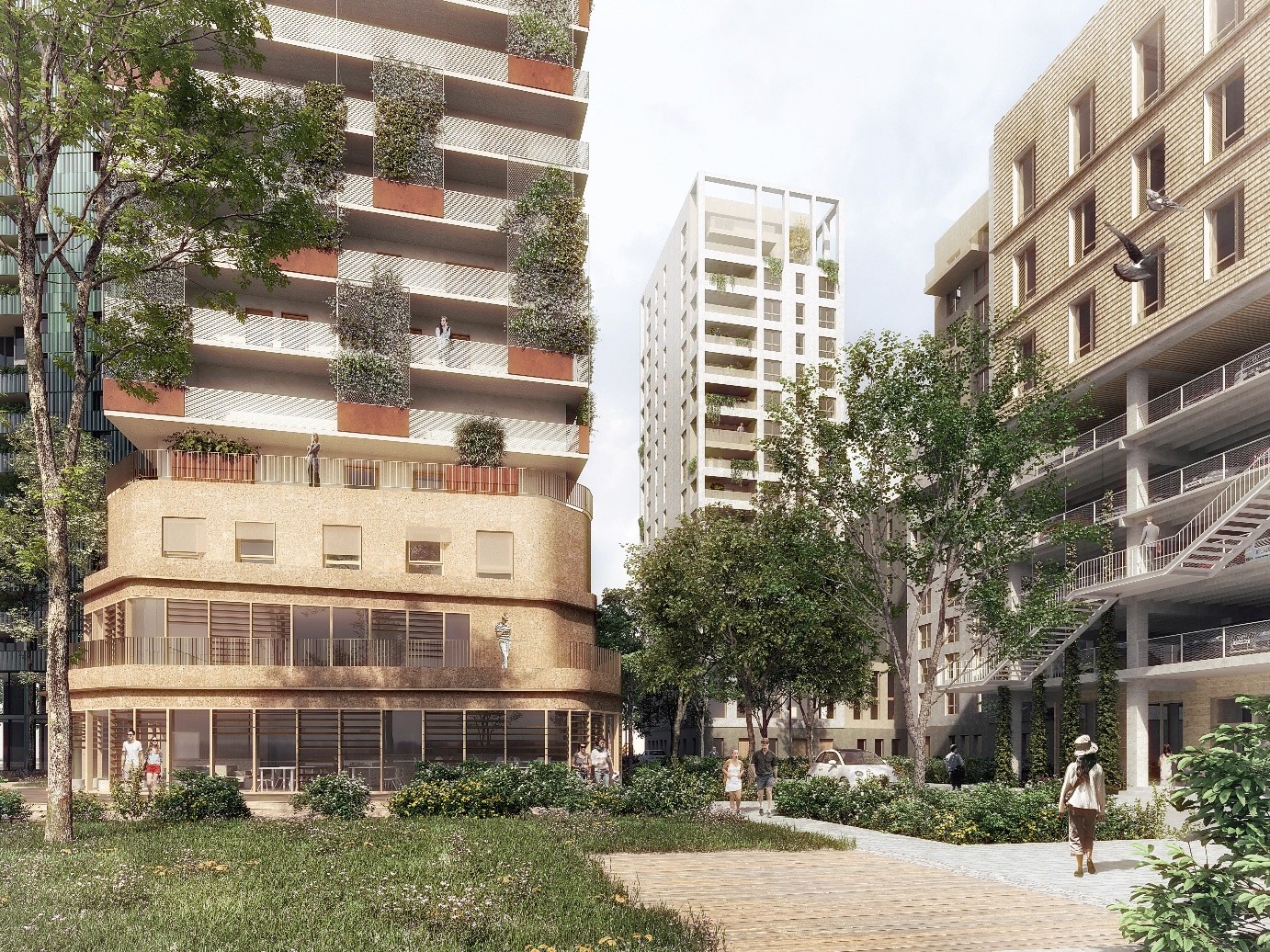
Resilience is not based solely on technological innovation: it also involves taking into account societal changes and new lifestyles. For the Bouygues group, it is essential to design spaces that foster social cohesion by addressing needs for sharing, inclusion, and conviviality.
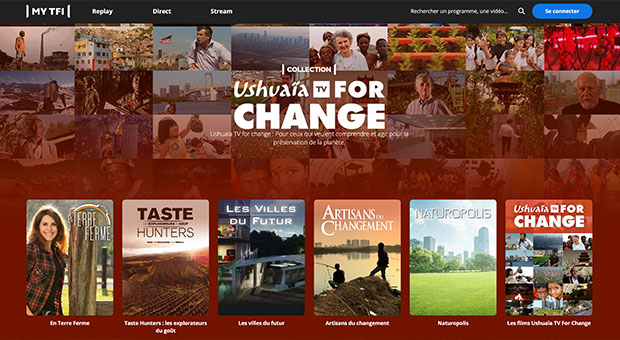
Faced with profound societal changes marked by the climate emergency, the search for meaning, and growing expectations for media engagement, the TF1 group has made Ushuaïa TV a unique and pioneering editorial project. Launched in 2005, the channel has established itself as the only French channel entirely dedicated to protecting the planet, with a mission to raise public awareness of environmental and social issues without adopting a guilt-inducing tone, instead favoring wonder, understanding, and collective action.
This ambition has been strengthened with the launch of Ushuaïa TV For Change, a digital extension that concretely addresses the necessary transformations in our lifestyles: responsible food, sustainable mobility, renewable energy, more mindful consumption, and social justice. Freely accessible, this offering reflects the TF1 group’s commitment to adapting its formats to new usage patterns and playing an active role in the ecological and societal transition, by giving citizens the tools to understand and take action.

Digital transformation
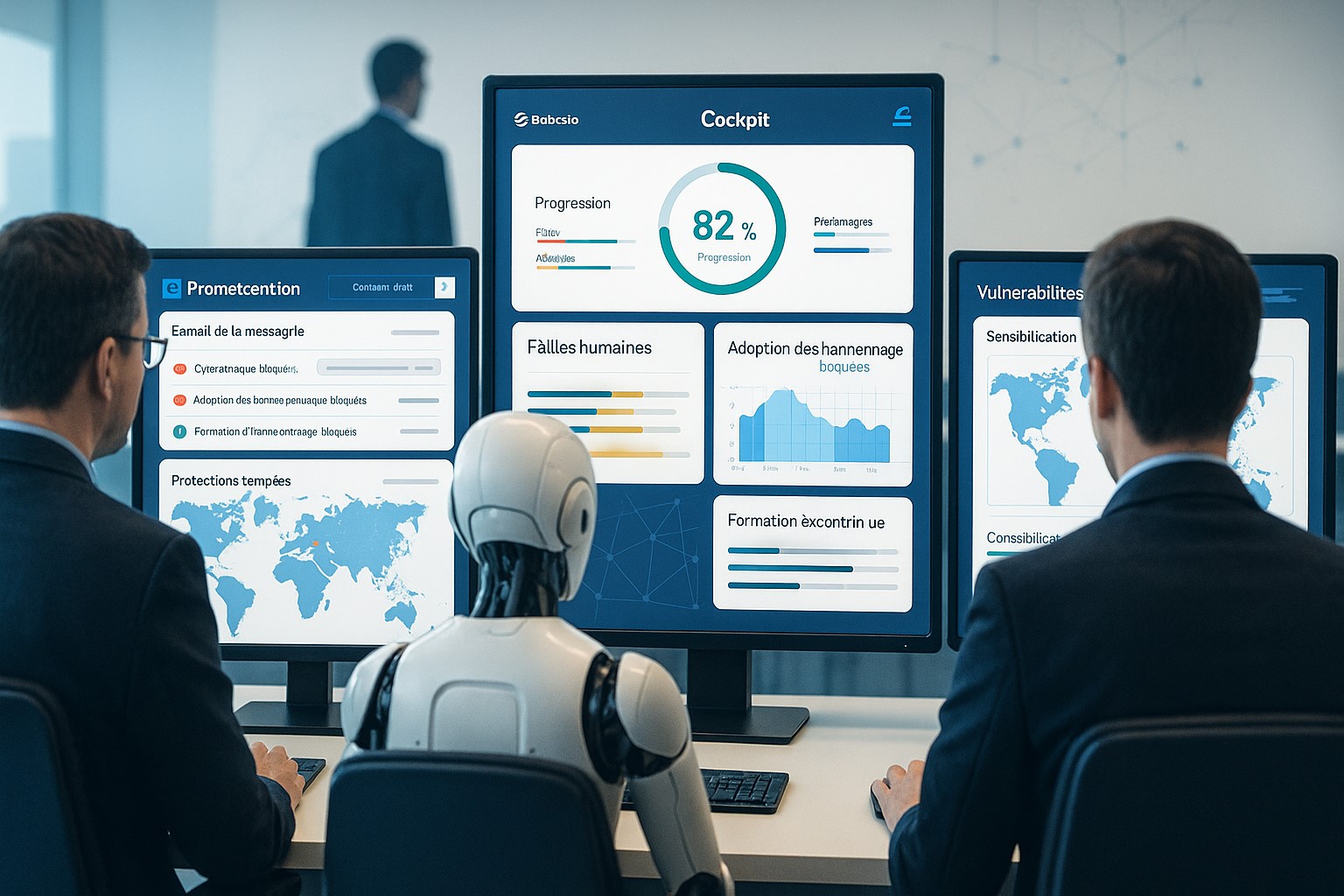
For the Bouygues group, it is crucial to integrate smart solutions that connect infrastructure and users in order to enhance usage, comfort, and everyday efficiency. However, this transformation must be accompanied by a high level of system and data security, ensuring reliable environments that meet the requirements of an increasingly connected society.

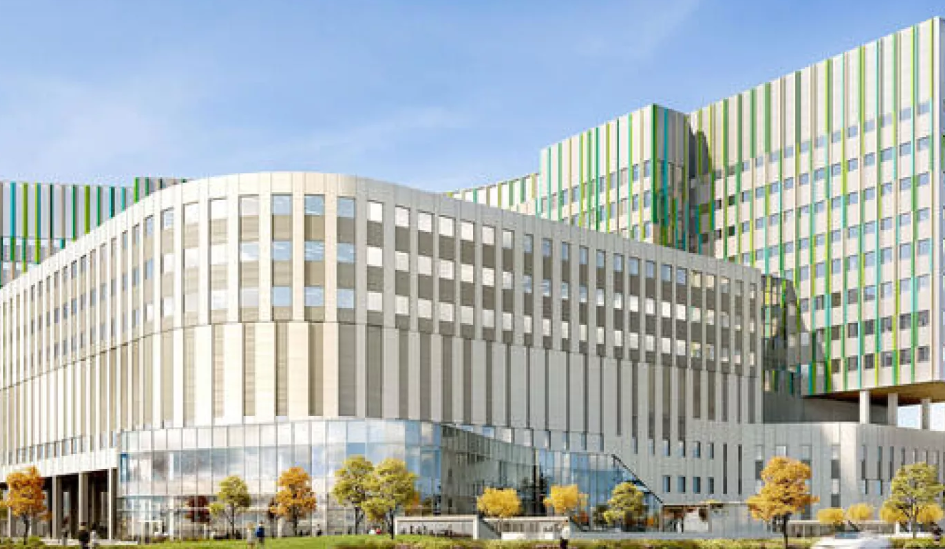
Bouygues Telecom Business and Bordeaux University Hospital (CHU de Bordeaux) have launched 5MART HO5PITAL, a pioneering project designed to address the growing connectivity challenges in healthcare facilities through 5G. Their objective is to equip 18 hospital buildings with a hybrid 5G infrastructure, combining public and private networks, to support the hospital’s digital transformation and improve quality of care. This solution, based on network slicing, standalone 5G, and an edge computing infrastructure installed directly on site, ensures high data speeds, low latency, and the security of sensitive data.
Concretely, this innovative architecture will enable the deployment of advanced medical uses from 2027: connected ambulances for faster patient care, 3D modeling in surgery to prepare operations, and connected glasses to assist surgeons in real time. The hospital will also benefit from improved indoor mobile coverage, precise equipment geolocation, and enhanced resilience thanks to redundant 5G equipment.